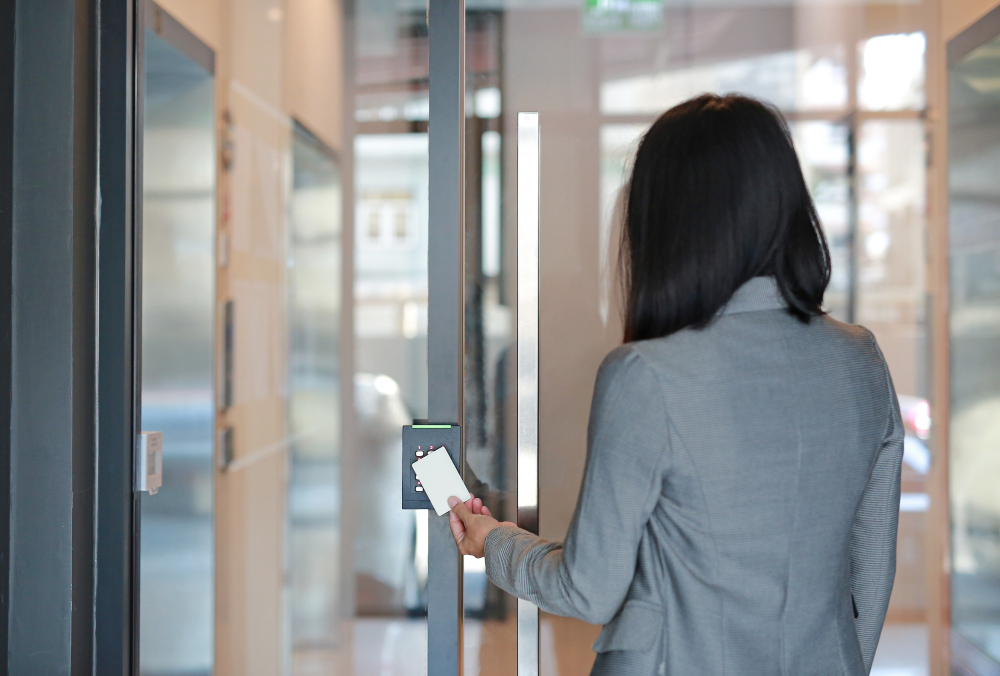
Managing access to your neighborhood shouldn't feel like a full-time job for your board members. In Central Florida, where seasonal traffic and service vendors constantly flow through our communities, a slow gate creates backups that stretch onto the main road. The right technology fixes this congestion while keeping your residents safe.
What Features Matter Most for 2026?
For 2026, the most critical feature in visitor management is mobile-first integration that removes the guard from the equation for routine guests. Residents should manage their own guest lists through an app, sending digital passes (QR codes) directly to visitors' phones. This reduces processing time at the gate by nearly 80% compared to traditional phone-call verification methods.
Paper logs and clunky desktop software are disappearing from guardhouses in Winter Park and Lake Nona. Modern systems move everything to the cloud. This means your data is safe even if a summer lightning strike fries the computer in the guard shack. We prioritize systems that offer real-time syncing. When a resident bans a vendor in the app, the guard sees that update instantly.
Another feature gaining traction is video auditing. It's not enough to log a name. You need a photo of the driver and a timestamped video clip of the entry. If an incident happens, your property manager can pull up the footage in seconds rather than scrubbing through hours of tape.
How Much Does Gated Community Visitor Management Cost?
A modern cloud-based software system typically costs between $200 and $600 per month per lane, depending on the complexity of the features you choose. Hardware upgrades, such as specialized tag readers or driver's license scanners, usually run between $1,500 and $3,000 as a one-time installation fee.
Many condo associations worry about these upfront costs. But you have to look at the operational savings. A traditional manned guard gate costs a community anywhere from $150,000 to $250,000 annually for 24/7 staffing. By using automated tools and reliable gated community visitor management software, you can often reduce manned hours or eliminate the need for an overnight guard entirely.
We also see communities wasting money on physical clickers and transponders. Old-school remotes cost $30 to $50 each to replace. Modern RFID windshield tags cost closer to $5 to $10. Over five years, switching to cheaper, passive RFID tags saves a 200-home community thousands of dollars in hardware costs alone.
Does License Plate Recognition Work in Florida Weather?
Yes, License Plate Recognition (LPR) works in Florida, but only if you buy cameras rated for high-contrast lighting and heavy rain. Standard security cameras often fail during our notorious afternoon thunderstorms or when the sun glares off a wet bumper. You need LPR cameras with high shutter speeds and dedicated infrared illuminators to get a 98% read rate.
In our years serving Central Florida, we've seen many communities install cheap LPR systems that fail the moment humidity fogs the lens. A functional LPR system captures the plate, converts it to text, and checks it against a database in under two seconds. If the plate matches a resident or authorized guest, the gate opens automatically.
This technology is vital for neighborhoods near high-traffic areas like Dr. Phillips or near the theme parks. It prevents "tailgating" and keeps non-residents from slipping in during busy shift changes.
How Fast Should Visitor Processing Take?
Processing a visitor should take no longer than 20 to 30 seconds if they are pre-authorized. If a guard has to call a resident for verification, that time jumps to two or three minutes. Multiply that by five cars, and you have a backup blocking the intersection.
Speed is the main reason communities switch to digital gated community visitor management. When a resident sends a QR code to their dinner guest, that guest scans their phone at a kiosk and enters immediately. There is no conversation with a guard required.
We track entry times carefully. We find that shifting just 50% of your traffic to automated entry (using QR codes or RFID tags) reduces the workload on your security team by half. This frees them up to patrol the neighborhood or handle actual security alerts rather than acting as administrative clerks.
Why Is Cloud-Based Data Safer for Condo Associations?
Cloud-based data is safer because it eliminates the risk of on-site hardware failure destroying your records. In Florida, power surges and lightning strikes are common. If your visitor logs exist only on a hard drive in the guardhouse, one storm can wipe out years of legal records.
Cloud systems back up your data instantly to secure servers. This matters for liability. If a gate arm hits a car or a vendor causes damage, your board needs immediate access to the entry logs. With a cloud system, a board member or property manager can log in from their iPad at home and see exactly who entered the property at 2:00 PM on a Tuesday.
This transparency creates accountability. Residents behave better when they know entry logs are accurate. Guards perform better when they know their activity is tracked. It transforms the security culture of the neighborhood.
Need Help Upgrading Your Gate?
Your gate is the first impression people have of your community. It shouldn't be a source of frustration. At Entrance IQ, we help condo associations streamline their entry process with reliable, easy-to-use technology.
We are local to the area and understand the specific challenges Florida communities face. Whether you need to speed up guest entry or secure your perimeter, we can help. Call us at (561) 503-4500 to discuss your community's needs.